Rosacea is a chronic skin condition that causes facial redness, easy flushing and, for some people, acne-like bumps and visible blood vessels. It is extremely common and often has a hereditary component.
There is no cure, but with the right plan and an understanding of your triggers, rosacea can be well controlled.
Common triggers include:
Keeping a simple diary of flare-ups can help you and Dr. Anita identify your personal triggers.
Rosacea, sometimes called acne rosacea, is a complex condition involving redness and inflammation. It is most common in people with fair skin.
Alcohol was long thought to cause rosacea, but it is only one of several triggers that make the condition worse. Rosacea is not true acne: it may appear only as sensitive red skin with broken capillaries.
Over time, untreated rosacea can progress. In its most severe form, called rhinophyma, the skin of the nose thickens and becomes bulbous and red. This form is seen mostly in men.
Early, consistent treatment helps control symptoms and reduce the chance of progression.
Rosacea usually presents with at least one of the following:
Rosacea management at Dr. Anita Medical Aesthetics is tailored to your symptoms and may combine several approaches.
Prescription creams and gels help reduce redness, bumps and inflammation and are often the foundation of long-term control.
For more persistent inflammatory bumps, oral medication may be added for a period to bring flares under control.
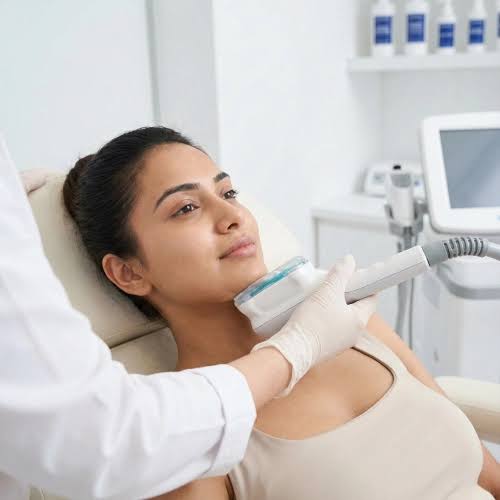
Laser treatment targets visible blood vessels and background redness on the nose and cheeks, which creams alone cannot remove.
A personalized rosacea plan may help to:
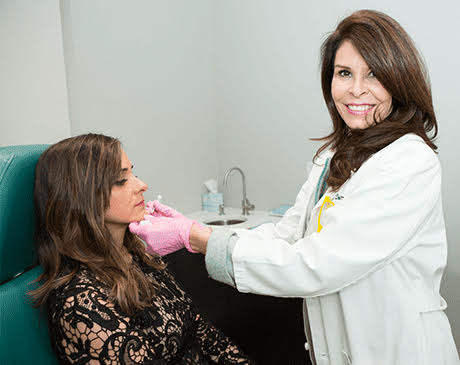
Dr. Anita treats rosacea as a long-term medical condition, not just a cosmetic concern. She combines prescription treatment, gentle skincare and laser options to control symptoms and keep your skin calm.
Visible facial veins linked to rosacea can also be treated; learn more on our spider veins page.
If redness, flushing or sensitive skin are affecting your confidence, book a consultation with Dr. Anita to discuss a rosacea plan that works for you.

No. Alcohol is one of several triggers that can make rosacea flare, but it is not the cause. Many people with rosacea drink little or no alcohol.
No. Rosacea can cause acne-like bumps, but it may also appear only as redness and broken capillaries. It needs a different treatment approach from regular acne.
There is no cure, but rosacea can be well controlled with medication, laser treatment, gentle skincare and trigger management.
Laser treatment can reduce visible blood vessels and background redness, especially on the nose and cheeks.
Yes. Sun exposure is one of the most common triggers. A gentle mineral sunscreen is usually best tolerated by sensitive skin.