

Dark patches and spots on the face, neck or hands are among the most common reasons patients visit Dr. Anita. Hyperpigmentation is generally harmless, but it can be stubborn, frustrating and difficult to cover.
Dr. Anita Dormer has spent more than two decades focused on treating melasma and hyperpigmentation, with a particular interest in skin of color, where many conventional treatments give short-term lightening followed by darker pigment.
Hyperpigmentation can be triggered or worsened by:
Because melasma has no permanent cure, the goal is long-term control with a plan tailored to your skin type.
Pigmentation is the process that gives skin its color. Cells called melanocytes act as pigment “factories,” producing melanin to help protect your skin from the sun’s UV rays. Hyperpigmentation happens when some areas produce more melanin than normal, forming dark spots or patches.
Anyone can develop hyperpigmentation, but people of Hispanic, Asian, Mediterranean and African descent are more likely to be affected. It usually appears on the face, neck and hands, where the sun hits most, and in areas of friction such as the knees and underarms.
Sun exposure is the number one cause of hyperpigmentation, and also the most preventable.
Hormonal changes from a new birth control pill, an IUD, pregnancy or menopause can switch on extra melanin production. Brown patches on the face during pregnancy are known as chloasma, or the “mask of pregnancy.”
Genetics make some people more likely to form dark spots after sun exposure.
Injury and inflammation can leave a dark mark after acne, a cut, a burn or chronic friction. This is called post-inflammatory hyperpigmentation and is often seen on the upper lip or beard area after repeated waxing or shaving.
A few daily habits make a real difference:
Your plan depends on your skin type, the cause of your pigmentation and how long it has been present. Because melasma tends to return, Dr. Anita works with you on an ongoing basis to monitor and prevent flare-ups.
Dr. Anita developed in-office retinoid-based treatments that work deep within the skin to stimulate collagen and increase cell turnover. Unlike harsh acid peels, they are designed not to burn, reducing the risk of injury-triggered pigment.
Darker skin often responds to acid peels and some lasers with temporary lightening and then more pigment. These treatments were formulated with resistant, darker skin types in mind.
A brightening home regimen with retinoids, antioxidants and daily sun protection helps maintain results and keeps pigment from returning between visits.
A tailored pigmentation plan may help to:
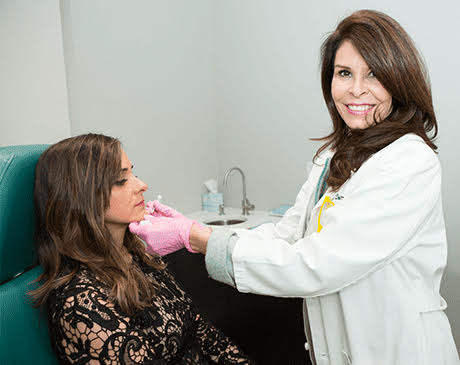
Dr. Anita has dedicated more than 20 years to treating melasma, especially in skin of color, where many treatments fail or make pigment worse over time. Her pigmentation treatments have drawn patients from around the world.
Every plan begins with a careful assessment of your skin type and history, so your treatment improves pigmentation without creating new problems.
If dark spots or melasma are affecting your confidence, book a consultation with Dr. Anita to discuss a long-term plan that fits your skin.

Melasma is a type of hyperpigmentation that forms larger, often symmetrical brown patches on the face and is strongly linked to hormones and sun exposure. Other types include sun spots and dark marks left after acne or injury.
There is no permanent cure for melasma, but it can be controlled. Dr. Anita works with patients on an ongoing basis to reduce existing pigment and prevent flare-ups.
Darker skin can respond to acid peels and some laser treatments with temporary lightening followed by more pigment. Dr. Anita’s approach was developed specifically with resistant, darker skin types in mind.
Use a broad-spectrum sunscreen of at least SPF 30 every day, even on cloudy days. Physical (mineral) sunscreens are often better tolerated by sensitive skin.
Pigment fades gradually as skin renews. Many patients notice a change within a few weeks of starting treatment, with continued improvement over several months.