Many women experience loss of bladder control after pregnancy and childbirth, during menopause or simply with age. Urinary incontinence is very common, and women are about twice as likely as men to have it.
The U-Shot is a quick, drug-free, non-surgical PRP treatment performed in the office by Dr. Anita Dormer.
You may have urinary incontinence if you:
If you answered yes to any of these, a consultation can help you understand your options.
Urinary incontinence is caused by weak or overactive bladder and pelvic floor muscles. Stress incontinence, leaking when you cough, sneeze, laugh or exercise, is especially common after childbirth and menopause.
It affects millions of American women and can limit exercise, travel and social life. The good news is that you no longer have to simply live with it.
The U-Shot uses the same platelet-rich plasma that is used to rejuvenate skin. PRP is injected into the tissue near the urethra in the upper vaginal wall.
Although the exact mechanism is not fully understood, the growth factors appear to support repair of weakened tissue and improve its blood supply, helping the area provide better support.
Dr. Anita evaluates your symptoms and health history to confirm the U-Shot is appropriate for you.
A review of your symptoms and history, with referral for further assessment if another cause needs to be ruled out.
Even patients with a low pain threshold find the U-Shot very tolerable thanks to local anesthesia.
The U-Shot can be combined with the She-Shot for women who also have sexual wellness concerns.
The U-Shot may help to:
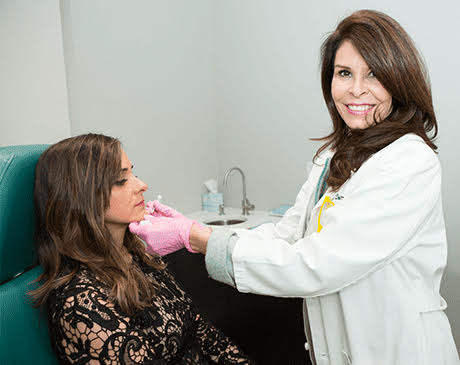
Dr. Anita and her team have seen very encouraging results with the U-Shot and take a careful, comfortable approach to a sensitive concern.
Learn more about PRP therapy.
Book a confidential consultation with Dr. Anita to find out whether the U-Shot can help you.

A local anesthetic is used, and most patients do not feel the injection.
PRP for urinary incontinence is not FDA approved and is considered an off-label use.
Because PRP comes from your own blood, the risk of infection or allergic reaction is minimal.
Many women report initial improvement within weeks, with the maximum effect beginning around 3 months.
Results typically last 6 to 18 months, and treatment can be repeated.