Platelet-rich plasma (PRP) therapy uses a small sample of your own blood to stimulate, revitalize and regenerate the skin and body. Because it comes from you, it is one of the most natural rejuvenation treatments available.
Dr. Anita Dormer trained in PRP under leading physicians and researchers in the field and uses both university-developed protocols and techniques from PRP innovators. A consultation quickly takes the mystery out of the treatment, and you leave with a clear care plan.
Dr. Anita uses PRP for:
The number of treatments depends on the area treated and the result you want.
PRP is simply blood plasma enriched with platelets and their growth factors. You may also hear it called platelet-enriched plasma, platelet-rich concentrate or autologous platelet gel.
Platelets are known as the “repair and rebuild” part of the blood. When the body is injured, they travel to the site and release growth factors that help heal tissue and build new collagen and blood vessels. PRP concentrates these growth factors and places them exactly where your skin needs them.
Creating PRP is a quick in-office process. Dr. Anita draws a small amount of blood, about the same as a routine blood test, so there is no effect on your overall platelet count.
The blood is placed in a special centrifuge that spins at high speed to separate platelet-rich plasma from the rest of the blood. How the PRP is prepared and how concentrated it is are essential to a good result. The concentrated plasma is then applied or injected into the areas that need repair.
PRP has been used in medicine for decades, including for tendon injuries in athletes, osteoarthritis, wound healing and oral surgery. PRP preparation systems are FDA-cleared for orthopedic and surgical use; its use in aesthetics builds on the same healing biology.
PRP can be used on its own or combined with other treatments for a stronger result.
Also called the PRP glow facial. PRP is applied to the skin and introduced with a precise microneedling pen to improve texture, tone, scars and fine lines. Learn more.
PRP is injected together with hyaluronic acid fillers such as Restylane or Juvederm. The filler gives an immediate lift while PRP stimulates collagen, and results can last up to 18 months.
PRP may help to:
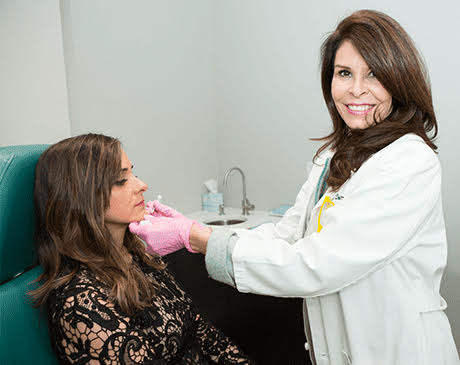
Dr. Anita combines science and an artistic eye to enhance your natural beauty while being honest about what PRP can and cannot do. Each plan is tailored to your goals and reviewed as your results develop.
Book a consultation with Dr. Anita to find out whether PRP is right for you and which PRP treatment fits your goals.
Because PRP comes from your own blood, there is little to no risk of allergic reaction or infection beyond what you would expect from a simple blood draw.
Most PRP procedures take 45 to 90 minutes. Drawing and preparing the PRP takes about 15 minutes, and treatment takes 15 minutes to an hour depending on the area.
It depends on the area. Hair loss usually needs at least 4 treatments followed by maintenance every 4 to 6 months. Skin treatments are often repeated every few months.
A topical numbing cream is applied first, so most patients feel only mild discomfort.
Skin texture often improves within a week, with collagen continuing to build over the following weeks and months.