
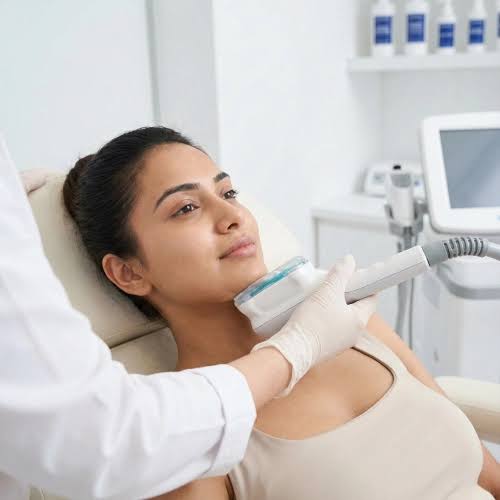
Photodynamic therapy (PDT) is a two-step treatment for a range of skin conditions, including actinic keratoses (precancerous lesions), acne and enlarged pores.
PDT specifically treats problem skin while leaving normal skin largely unaffected, and many spots can be treated in a single session.
Photodynamic therapy is used for:
Skin cancers are treated only after proper diagnosis.
In the first step, a light-sensitizing solution such as Levulan Kerastick (aminolevulinic acid) is applied to the skin. It is absorbed by abnormal or overactive cells.
In the second step, a specific light or laser activates the solution, targeting precancerous cells or acne-causing bacteria while sparing healthy skin.
Actinic keratoses are rough, scaly spots caused by sun damage. Some can progress to skin cancer, so treating them is an important part of skin health.
PDT treats many lesions at once, including ones that are not yet visible, and may help prevent new ones from developing.
Dr. Anita evaluates your skin to decide whether PDT is the right choice.
Suspicious spots are assessed before treatment, with biopsy if needed.
The solution is applied, then activated with light after the appropriate incubation time.
A second session or periodic treatments may be recommended for widespread sun damage.
PDT may help to:
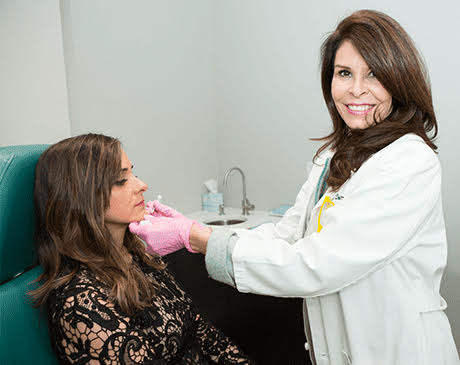
Dr. Anita combines medical skin care with aesthetic results, treating sun damage for both health and appearance.
Concerned about a changing spot? See our moles page.
Book a consultation with Dr. Anita to find out whether photodynamic therapy is right for you.

Some stinging or burning during light activation is common but temporary.
Treated skin stays very light-sensitive for at least 48 hours. Sunscreen does not block this reaction, so physical protection is essential.
Many patients need one or two sessions, with occasional maintenance for ongoing sun damage.
Expect redness and peeling for several days, and plan to stay indoors for the first 48 hours.