
Moles are very common: most adults have between 10 and 40. The vast majority are harmless, but some can be cosmetically bothersome, and any mole that changes should be checked by a physician.
Dr. Anita Dormer helps patients understand their moles and, when a mole is benign, discuss options for removing it with as little scarring as possible.
The number and appearance of moles are affected by:
Annual full-body mole checks with photographs are recommended so changes can be spotted early.
Moles are growths on the skin, usually brown or black, that form when pigment cells called melanocytes grow in a cluster instead of being spread evenly through the skin.
They can appear anywhere on the body, alone or in groups, and may be raised or flat. Most appear in childhood and during the first 20 years of life, though some develop later.
As the years pass, some moles grow, some stay the same and some fade away. Hairs sometimes grow out of a mole, which is normal.
Any new mole in adulthood, or any mole that changes in color, shape or size, should be examined by a physician. Suspicious moles must be evaluated, and if needed biopsied, before any cosmetic treatment is considered.
Use the ABCDE guide and see a physician promptly if a mole shows:
Only moles that have been assessed as benign are candidates for cosmetic removal. Dr. Anita will examine the mole first and refer you for further evaluation if anything looks concerning.
Every mole is examined before treatment. Photographic records help track moles over time and catch changes early.
For a safe but cosmetically unsightly mole, laser treatment offers a lower chance of scarring than cutting it out.
A large mole on the face may need several laser sessions to gradually reduce its blood supply, removing it gently and with minimal scarring.
Benign mole removal may help to:
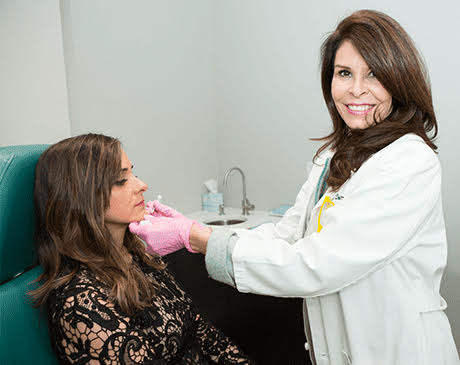
Dr. Anita puts safety first. Every mole is assessed before any cosmetic treatment, and her laser-based approach is designed to remove benign moles gently while keeping scarring to a minimum.
If you have a mole that bothers you, or you would like your moles assessed, book a consultation with Dr. Anita. If a mole is changing quickly, bleeding or itching, please see a physician promptly.

It is normal to have between 10 and 40 moles by adulthood. Having many moles can increase skin cancer risk, so regular checks are important.
See a physician if a mole is new in adulthood or changes in color, shape or size, or if it itches or bleeds. The ABCDE warning signs above are a helpful guide.
No. Only moles assessed as benign should be treated cosmetically. Suspicious moles need medical evaluation and may need a biopsy first.
Laser treatment has a lower chance of scarring than surgical removal. Larger moles may need several sessions to remove them gently.
An annual full-body mole exam with photographic records is recommended.