Medically reviewed by Dr. Anita Dormer, MD, 4 November 2026
Almost everyone has had a pimple, but far fewer people understand why breakouts happen. Knowing what drives acne is the first step to controlling it.
Dr. Anita Dormer personally experienced severe cystic acne as a young adult, so she understands its emotional and social impact. Her goal is to control your breakouts and prevent the scarring that can follow.
Acne is linked to several factors working together:
A dirty face does not cause acne. Acne can be controlled, but there is no known cure, so consistent care matters.
Blemishes can appear anywhere on the body, and around 20 percent of adults live with acne. As Dr. Anita’s patients sometimes put it: “Doc, I have a pimple in my wrinkle. Life is not fair.”
Treatment can include prescription products, light-based therapies, chemical peels and topical creams, combined into a plan built around your skin type.
Acne is associated with oil glands producing more sebum than the skin needs, a bacterium called Cutibacterium acnes, and blocked pores. Excess oil clogs the pore, and the trapped material oxidizes to form a blackhead.
This mix of oil and debris is also an ideal environment for bacteria, so the lesion can become inflamed and form a cyst. Inflammatory cystic acne needs medical treatment to prevent scarring. Hormones and carbohydrates are linked to flare-ups as contributing factors rather than root causes.
Each person responds to acne treatment differently, so Dr. Anita examines your skin before recommending a plan that controls breakouts while minimizing side effects.
Over-the-counter ingredients such as salicylic acid and benzoyl peroxide help mild acne. Prescription vitamin A derivatives such as adapalene, tretinoin and tazarotene encourage healthy new skin cells.
Chemical peels, IPL and laser treatments can reduce active breakouts and help prevent them from returning, often alongside a tailored skincare regimen.
Oral medication is occasionally used when topicals are not enough, though oral antibiotics are rarely prescribed in Dr. Anita’s practice. Isotretinoin is reserved for severe cases and requires close medical monitoring.
A personalized acne plan may help to:
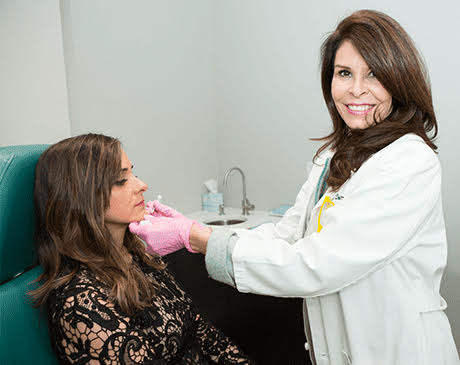
Dr. Anita knows from personal experience how much acne can affect daily life. She combines a medical understanding of acne with gentle, skin-respecting treatments, and she avoids routine antibiotic use wherever possible.
If acne has already left marks, she can also help with acne scar treatment once breakouts are under control.
Whether you are dealing with occasional breakouts or persistent cystic acne, book a consultation with Dr. Anita to build a plan that works for your skin.

No. Acne is driven by oil production, clogged pores, bacteria and inflammation. Over-washing and scrubbing can actually make it worse.
Yes. Around 20 percent of adults have acne, and it can appear alongside fine lines and wrinkles.
Isotretinoin can be very effective for severe acne, but it has serious potential side effects, including birth defects if taken during pregnancy, dry eyes and lips, nosebleeds and sun sensitivity. Regular appointments with your doctor are mandatory during treatment.
Sugars and refined carbohydrates appear to play a role in flare-ups. A healthy, lower-carb, anti-inflammatory diet has helped many patients control their acne.
Yes. Red or brown marks and indented scars can both be improved. See our scars page for the options Dr. Anita uses.